It is essential to remember that we, as humans, are animals. There is not some line separating us and the earth. Despite what technological and industrial developments may lead one to believe, we have not conquered Mother Nature, because we are a part of her. No matter how many acres of soil we cover with concrete, we still return to it once all is said and done. The winter months force even the most human-centric of us to acknowledge humanity’s intrinsic link to nature. As our animal counterparts hunker down, taking shelter from the long, cold nights and harsh frigid weather, we continue at the same pace demanded of us year-round. A season that has been utilized as a time of rest and recovery for millions of years has, in the last 200, become yet another hurdle in the race to obtain capital. It’s not some feat of evolution, not some skill ingrained into our DNA that allows us to work ceaselessly as the sun sets at 4:30 pm. Instead, it is the knowledge that if we allow our bodies and minds the break they are wired to receive, we may lose our food, our shelter, and our means of life. By denying ourselves the rest we need, we are able to provide, sure, but we also lose sight of who we are and what we need as a species.
In my program at college, we‘ve learned how the Indigenous Salish people live by the seasons. Spring, summer, and fall are spent hunting, gathering, and preparing for the winter months. Food would be dried and stored in Long Houses so that when the frigid rains and winds settled upon the coastal lands, they could shelter inside. The hard labor and work had been done for the year, and as the days grew short and cold, communities would gather with enough provisions to last, and create art. Carving and weaving and dancing and singing. Winter was a time of rest and creation. A time to gather strength for the approaching work when the salmon begin to arrive.
Practices such as these are not isolated to the Pacific Northwest either. For generations, winter months have been used to take stock of what we have. There is no farming to be done, and the days grow shorter and shorter. Communities would mimic the movement of the sun, retreating sooner and resting often. It is the natural cycle of the wheel of the year.
These patterns aren’t isolated to animals either. As the weather grows cooler, the leaves of the many plants in Olympia which remain green year-round do not harness the same potency of medicinal properties they burst with during the warmer months. Instead, the energy of the plant settles under the ground, within its roots. Full of nutrients, the roots store the energy of the plant while snow piles and winds blow. Humans are naturally a lot like plants in this way. The urge to shelter and ground oneself when the weather turns frigid is a universal one.

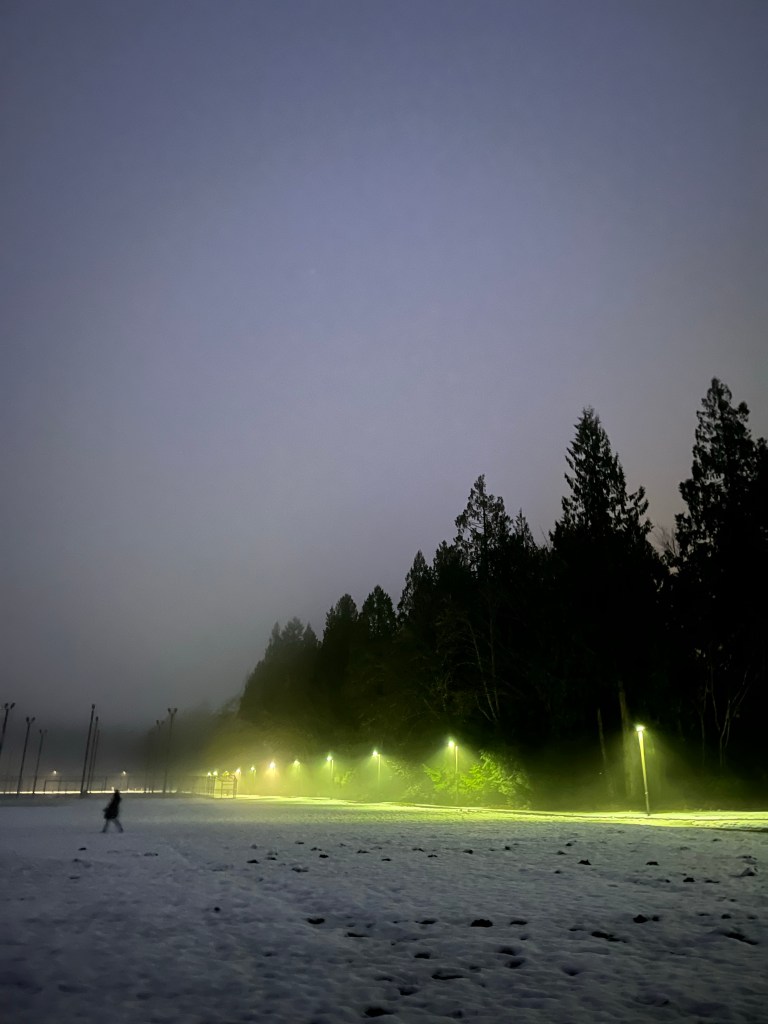
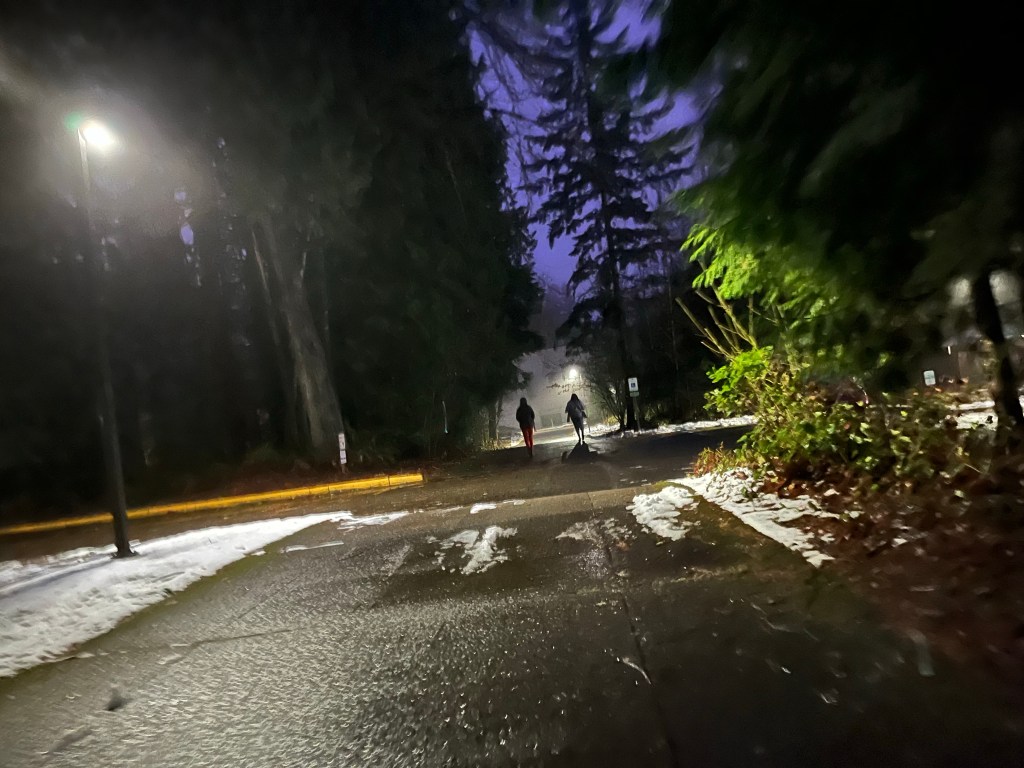
Regardless of the many iterations of rest that occur during winter, we continue to hold the same expectations of ourselves throughout the cold dark months that we do for the rest of the year. It’s not realistic to demand constant productivity and movement during our natural rest. And yet, in order to stay afloat in a world that does not honor our identity as animals, we must conform to the capitalist system of oppression.
There are ways, however, we can practice being gentle with ourselves and others during the dark times of the year. I hope my non-exhaustive list of a few ideas proves to be helpful in your diet hibernation.
Light Fasts
The concept of a light fast was first brought to my attention about a month ago during my herbal apprenticeship. My mentor spoke about the year she lived in the vintage circus caravan on her property. There was no electricity, so during the winter, she lived by the light of the sun and the fire of her candles. By doing so, she observed the increased connection she felt with the cycles of the natural world, and with herself. Eliminating man-made lighting allowed her body and mind to return to the restful state winter brings. This can be replicated in smaller increments by spending an hour every day, every week, or even every month when all electric lights and technology are turned off. Instead, light candles and feel the warmth on your skin. Although you won’t be able to absorb vitamin D through candlelight, just feeling the heat and the light is enough to give you more energy. Since learning about this practice, I’ve engaged in several light fasts and definitely feel the benefits. Even during times when I’m not practically able to use only candlelight, I find myself turning off overheads, and working instead by the light fairy lights or low lamplight.

Cooking and Eating Good Food
There is a reason so many holidays during this time revolve around the preparation and consumption of rich food. The Pagan Holiday of Yule, for example, originated as a celebration of the birth of the sun as the days transition to becoming longer again after the shortest day of the year (the Winter Solstice). Many of the Yuletide celebrations revolve around food, both for the living and the dead. Food was used as a form of worship and ritual, with the intention of bringing a fertile harvest in the next year. Food was also left out for ancestors, who were rumored to have visited for the festivities. The food traditions that remain to this day are that of feasting. Gathering as a community to eat fatty celebratory meals has been used for generations to raise the often low spirits during the winter season. On cold dark days, one of my first inclinations is to bust out the flour and sugar and make something warm and rich, something that will fill me up and keep me warm.
Baths and Steam
In cultures throughout the world, bath and steam houses have been used as a relaxer and means of releasing toxins for tens of thousands of years. Hot water and steams have been incorporated into rites of passage, spiritual experiences, and community bonding, and as a result, is a tried and true method to connect with one’s own body and mind. Herbs can be used to elevate the experience, some steam with herbs like peppermint or eucalyptus are known to clear up respiratory issues and make breathing easier if one is suffering from the common sicknesses that spread during the cold months. Overall, the use of warm water and hot steam is rejuvenating and relaxing, perfect for lonely winter days, or when the chill of the air seems to get stuck inside your bones.
While this list is in no way complete, and I’m hoping to add some more ideas with significant traditional ties to my toolbelt as the years continue, these three actions have greatly aided in maintaining decent mental and physical health as the sun disappears for increasingly longer periods of time and the urge to hibernate kicks in. The Winter solstice is right around the corner. Celebrate with the people you care about, light a fire, eat good food, and welcome the rebirth of the sun for the coming year.


 Life of Lilah
Once again you have shared your knowledge and insights in a well written essay, while instilling a calming effect. I am looking forward to sharing the Winter’s Solstice with you!
LikeLiked by 1 person
Hey hey I can’t get enough of this keep it up
LikeLike
Love this! Thank you for sharing how cycles and rhythms of nature guided life for so long. Reminds me of the book Wintering by Katherine May which you might enjoy.
LikeLike